







Search Results for: Matsu Islands
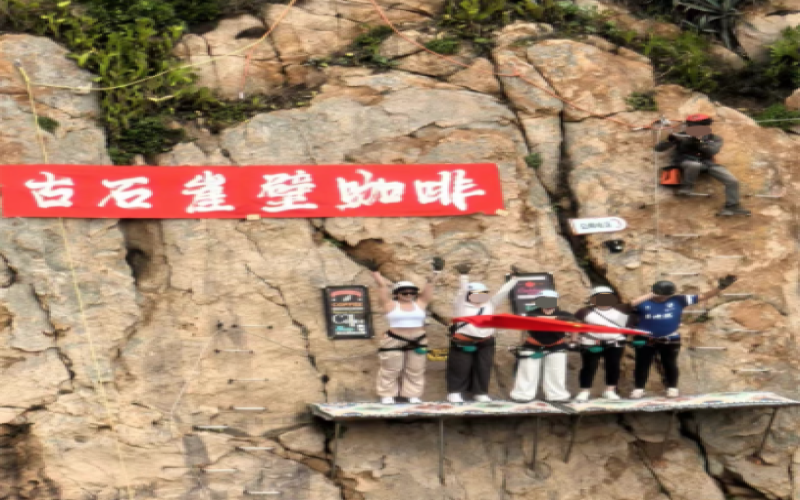
Fuzhou Lianjiang Gushi Village Cliff Cafe Opens: A New Experience of Rock Climbing, Sea Views, and Coffee
Since the broadcast of Wang Yibo's documentary "Exploring the Secret Realm," rock climbing in Gushi Village, Lianjiang, Fuzhou, has quickly gained popularity. Nowadays, while experiencing cliff climbing, visitors can also check in at a café built on the cliff, where they can savor aromatic coffee while gazing at the sea view of the Matsu Islands in the distance. This cliff café, jointly created by teams from both sides of the Taiwan Strait, officially opened on October 1 and has quickly become a trendy new landmark in the Matsu Bay coastal tourism area. This article will introduce this innovative project that blends outdoor adventure with coffee culture, as well as the story and features behind it. [more…]
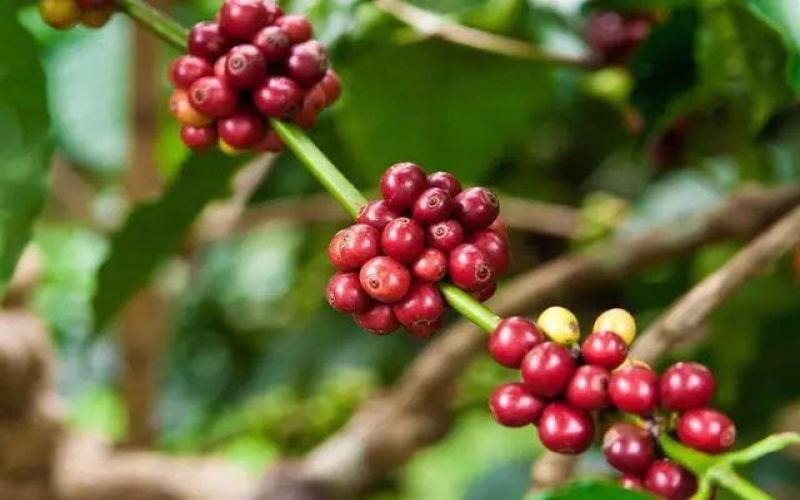
An Analysis of the Galápagos San Cristóbal Island Coffee Region: Organic Growing Conditions and Flavor Characteristics
The Galápagos Islands are located in the eastern Pacific Ocean, about 1,000 kilometers from the South American mainland, and were formed by the accumulation of undersea lava. Among them, the coffee produced on San Cristóbal Island is considered the finest coffee in Ecuador, with unique natural geographical conditions and an organic growing environment. This article will guide you through the geographical overview and historical background of the Galápagos Islands, the coffee-growing history and flavor characteristics of the San Cristóbal production area, and also share Front Street Coffee's brewing suggestions for this bean, helping coffee lovers gain a comprehensive understanding of this organic specialty coffee from the island of giant tortoises. [more…]
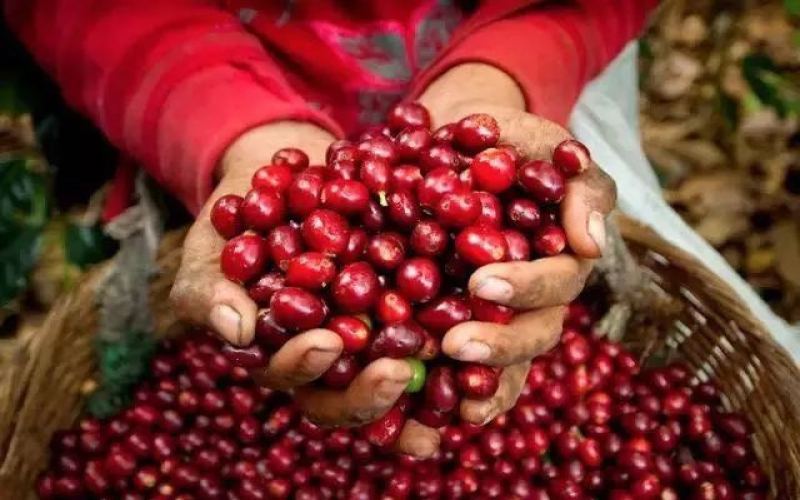
Galápagos San Cristóbal Island Coffee Farm: Organic Flavors and Regional Characteristics of the Bourbon Heirloom
The Galápagos Islands lie isolated in the Pacific Ocean, about 1,000 kilometers from the South American mainland, formed by the accumulation of undersea lava. Coffee was introduced here around 1870, and to this day the islands still preserve ancient, unhybridized Bourbon heirloom varieties. Though grown at an altitude of only about 500 meters, the unique microclimate created by the meeting of the cold Peru Current and the warm equatorial current produces high-acidity, extremely hard coffee beans. Ecuador legally prohibits chemical agents, making Galápagos coffee a recognized organic specialty, with a mild, rich flavor that is sweet amid its acidity, carrying floral, fruity, and caramel notes. This article will guide you through the coffee estates of San Cristóbal Island, their historical origins, and their flavor characteristics, and will include Front Street Coffee's brewing recommendations. [more…]
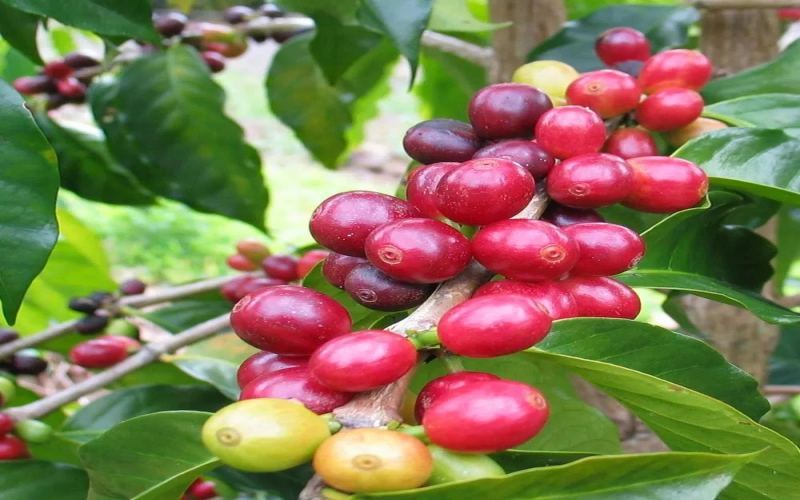
Ecuador Galapagos Islands Specialty Coffee: A Complete Analysis of the Flavor and History of the San Cristobal Region
In South America, Ecuador is one of the few countries that produces both Arabica and Robusta coffee beans. The country's finest coffee comes from San Cristóbal Island in the Galápagos Islands. This place has a unique maritime climate and volcanic soil, combined with freshwater streams rich in minerals, providing exceptional conditions for coffee cultivation. From the establishment of the Hacienda coffee plantation by Cobos in the 19th century to the expansion of cultivation by the González family, San Cristóbal coffee has gone through ups and downs, and today it is known for being organic and for its floral and fruity aromas with caramel sweetness. This article will take you on an in-depth look at the history and flavor characteristics of this producing region, along with brewing suggestions from Front Street Coffee. [more…]
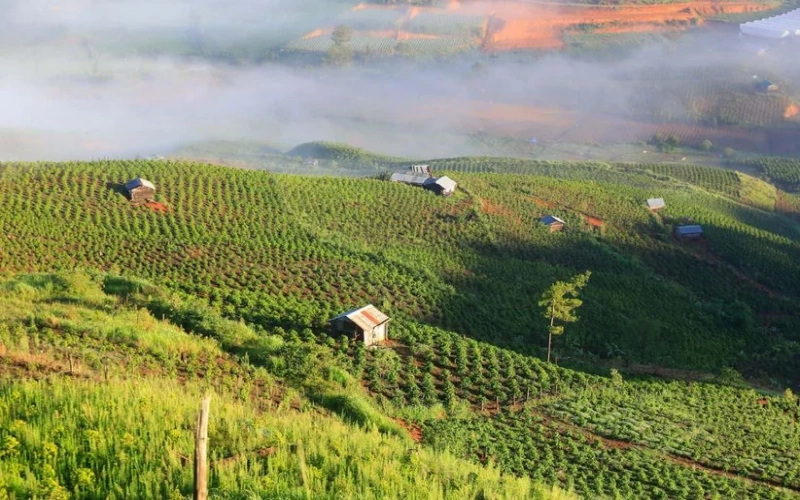
Which islands in Indonesia are coffee-producing regions? Analysis of coffee-growing areas and varieties on Java Island
Indonesia, as the world's fourth-largest coffee producer, is made up of more than seventeen thousand islands, and its coffee-growing regions are naturally divided by island, with Sumatra, Java, Sulawesi, Bali, and others each having their own characteristics. Among them, Sumatra has the highest output and is world-famous for its Mandheling flavor; Java not only has a long history of cultivation but also gave rise to the Java coffee variety named after the island. This article will review the distribution of Indonesia's main coffee islands and provide an in-depth introduction to Java's growing areas, altitude conditions, and variety structure, while also mentioning product information such as Front Street Coffee's Lindong budget beans, offering coffee enthusiasts a complete guide to Indonesia's producing regions. [more…]
Exploring Ecuador's Specialty Coffee Origins: Hand-Brewed Flavor Characteristics of the Andes and the Galápagos Islands
In the coffee map of South America, Ecuador is an easily overlooked yet deeply rooted origin. This country, located between Colombia and Peru, has both a long coffee-growing tradition and a unique organic coffee-producing region like the Galápagos Islands. From the Loja highlands in the Andes to the volcanic islands below the equator, the Arabica coffee beans produced in Ecuador are known for their balanced, crisp mouthfeel and distinctive floral aroma. This article will guide you through Ecuador's coffee-producing regions, variety characteristics, and flavor expression, and share Front Street Coffee's pour-over recommendations, so you can experience the unique charm this land imparts to coffee. [more…]
A Detailed Guide to Coffee Varieties in Ecuador, South America: From Bourbon and Typica to the Flavor Characteristics of the Galápagos Islands
Located in northwestern South America, Ecuador is one of the few countries that cultivates both Arabica and Robusta coffee. Although production historically suffered a significant decline, in recent years it has re-emerged thanks to specialty coffee practices and its geographical advantages. From the Intag Valley to the highlands of Loja, from organic farming in the Galápagos Islands to ancient varieties such as Bourbon and Typica, Ecuadorian coffee displays a delicate balance among acidity, sweetness, and bitterness. This article systematically reviews the country's main producing regions, processing methods, variety characteristics, and trading systems, and introduces the Golden Cup competition and the challenges currently faced, giving you a comprehensive understanding of the coffee landscape of this equatorial nation. [more…]
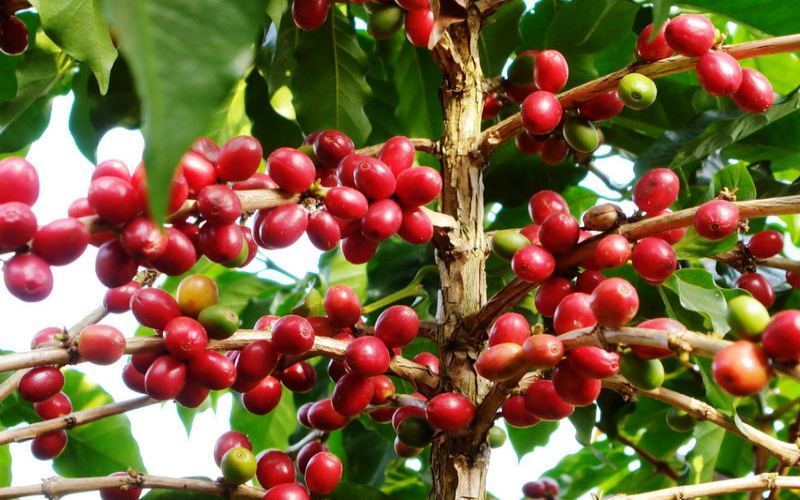
San Cristóbal and Galápagos Coffee: Tracing the Flavor Origins and Growing Conditions of Ecuador's Island Region
In the eastern Pacific's Galápagos Islands, San Cristóbal Island, with its abundant freshwater resources and unique microclimate, produces a highly acclaimed coffee treasure. This island is not only the only landmass in the archipelago with sufficient freshwater, but also, thanks to the Ecuadorian government's strict ecological protection policies, has become a representative region for naturally organic coffee. This article will guide you through an in-depth understanding of San Cristóbal's geographical environment, coffee-growing history, flavor characteristics, and the role of the Andes in Ecuador's coffee landscape. At the same time, we will also share Front Street Coffee's practical suggestions on fresh roasting and brewing to help you better savor this unique coffee from an equatorial island. [more…]
A Complete Guide to Hawaii's Coffee Regions: From Growing History to Kona Flavor and Specialty Bean Roasting
The Hawaiian Islands lie south of the Tropic of Cancer, and thanks to their volcanic soil and tropical climate, they produce coffee that is recognized worldwide as exceptional. The Kona growing region is the most famous, yet the history of coffee cultivation in Hawaii has been full of ups and downs—from its first introduction in 1825 to infestations of pests and diseases, and then the rise of small estates, spanning nearly two centuries. This article examines the full picture of Hawaiian coffee, from the history of its growing regions and flavor characteristics to the Kona certification system and emerging sub-regions such as Kau, Hamakua, and Puna, and explores how roasters like Front Street Coffee bring out its distinctive charm. [more…]
In-Depth Analysis of Hawaiian Kona Coffee Beans: Variety Characteristics, Historical Origins, and Recommended Well-Known Brands
The Hawaiian Islands lie near the Tropic of Cancer, where volcanic soil and a tropical climate give rise to the world-famous Kona coffee. This article provides a comprehensive overview of the history of coffee cultivation in Hawaii, its quality characteristics, the distribution of major growing regions, and its certification system, and also introduces well-known brands such as Kona Mist and their online direct-sales model. At the same time, Front Street Coffee recommends a number of Hawaiian specialty coffee beans to help enthusiasts gain a deeper understanding of the unique appeal of this top-tier growing region. From its introduction in the 19th century to today's specialty-oriented development, Hawaiian coffee has traveled a rugged yet glorious path. [more…]
An Analysis of Ecuador's Coffee Regions and Variety Characteristics: A Complete Overview of Galápagos Organic Beans and Geisha Flavors
Ecuador, a country bisected by the equator, owes its high altitudes and volcanic soils to the birth of specialty beans that have caught the coffee world's attention. Since coffee trees were first introduced in 1875, Ecuador has upheld a century of quality, and the organic coffee of the Galápagos Islands is regarded as precious as jewels. This article will guide you through the varietal characteristics of Ecuadorian coffee, the differences between the two major categories of Galápagos and Gigante, and the unique flavors of Geisha coffee beans. At the same time, Front Street Coffee will also recommend Ecuadorian specialty beans worth trying, helping you deeply experience the coffee charm of this "Equatorial Country." [more…]
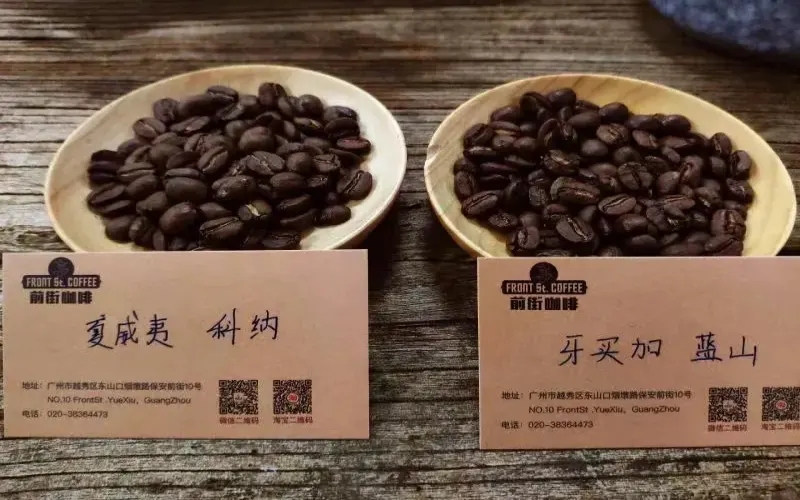
Hawaiian Kona, known as the Queen of Coffee, what coffee bean variety exactly is it?
Among developed Western countries, Hawaii in the United States is an extremely rare coffee-producing region. Blessed by an island climate, it can still cultivate high-quality coffee despite limited elevation. Coffee was once grown on several Hawaiian islands, but after a pest infestation, the Kona region became almost the sole pillar. Kona mainly cultivates Typica, introduced from Guatemala by sugar farmers in 1874. Under the island climate, it exhibits soft acidity and moderate body, and was named "Kona Typica" by locals. After World War II, the Japanese market favored it greatly, and Kona Typica earned the name "Queen of Coffee" for its plump fruit and translucent color. Front Street Coffee recommends paying attention to this legendary region. [more…]
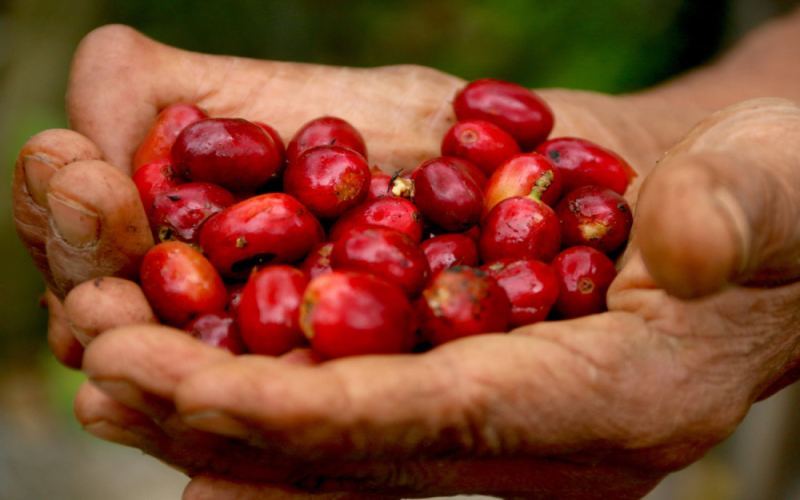
A Complete Analysis of Philippine Coffee Origins: Varieties and Distribution from the Cordillera to Mindanao
When people think of Asian coffee, they often first think of Indonesia's Mandheling or Vietnam's massive scale, but easily overlook the Philippines, which is also located in Southeast Asia. This country, made up of more than 7,000 islands, has fostered several distinctive coffee-producing regions thanks to its volcanic soil, tropical monsoon climate, and abundant rainfall. Currently, the Philippines mainly cultivates Robusta and Liberica, with Arabica accounting for only a small share. Producing areas are usually divided by island or administrative region, covering the Cordillera, Calabarzon, Mimaropa, the Visayas, and Mindanao, with the harvest period concentrated from October each year to March of the following year. This article will sort through the altitude, varieties, and distribution characteristics of each producing area one by one, introducing you to this underrated Asian coffee-producing country. [more…]
A Complete Guide to Hawaiian Kona Coffee Beans: Queen Estate Flavor, Grading System, and Pour-Over Parameters
Hawaiian Kona coffee beans are hailed as "the world's most perfect coffee beans." Although the growing region sits at only 300-1,100 meters above sea level, it has secured an unshakable place in the specialty coffee world thanks to its unique island terroir. In this article, Front Street Coffee will begin with the geographical background of the Hawaiian Islands, trace the winding history of Kona coffee from its introduction in 1817 to the present, analyze the washed processing method and the Type 1 grading system, and focus on the Typica flavor performance of Queen Farm. It also includes Front Street's fresh-roasting philosophy and KONO dripper three-stage brewing parameters, helping coffee enthusiasts gain a complete understanding of this rare bean variety whose price rivals that of Jamaican Blue Mountain. [more…]
Ecuador Coffee Overview: An Analysis of Producing Regions, Cultivated Varieties, and Processing Methods in the Andes
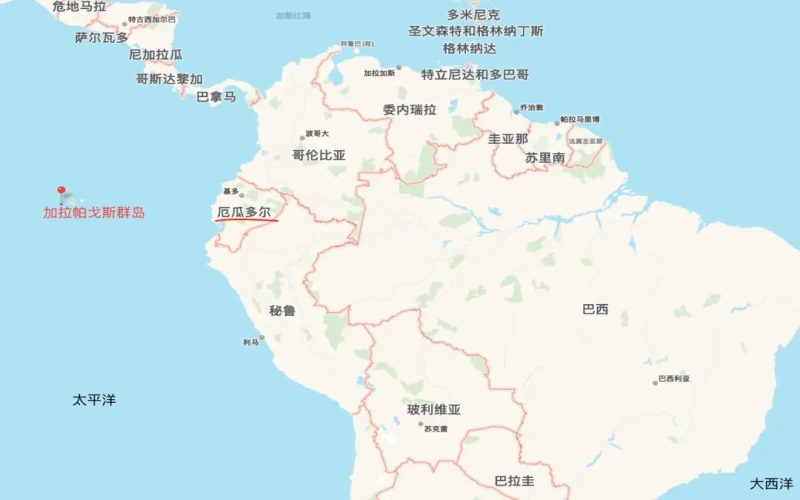
On the South American coffee belt, besides well-known producing countries like Brazil and Colombia, Ecuador also produces surprisingly good coffee. This country, bisected by the equator, nurtures Arabica beans with a balanced profile of acidity, sweetness, and bitterness thanks to the high-altitude volcanic soils and diverse microclimates of the Andes. From the northern highlands to Loja Province in the south, from Pichincha's Sidra to the organic Bourbon of the Galápagos Islands, Ecuadorian coffee is steadily moving toward specialty status. This article will guide you through the distribution of the country's coffee-growing regions, the main cultivated varieties, and the evolution of processing from traditional natural to modern washed methods, along with Front Street Coffee's recommended perspective. [more…]
Coffee Region Flavors | What are the flavor characteristics of coffee from Africa, Central and South America, Asia, and the islands? What are some beginner-friendly, high-value specialty pour-over coffee beans you would recommend?
Front Street Coffee Introduction: Coffee flavor characteristics of Africa, Central and South America, Asia, and islands. African bean flavors: Among them, Ethiopia's Front Street Huakui coffee and Front Street Yirgacheffe coffee have relatively pronounced orange and floral aromas, with a bright and transparent flavor; Kenya's Front Street Little Tomato coffee has a rich berry aroma, as well as dark plum juice and [more…]
A Comprehensive Interpretation of the Characteristics of the Indonesian Coffee Industry and the Grading Standards for Green Beans
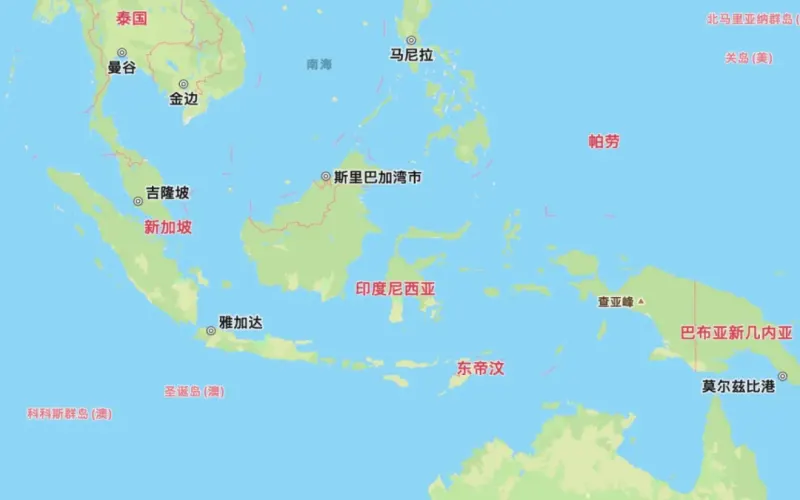
As the world's fourth-largest coffee-producing country, Indonesia, with its unique geography as an "archipelago of ten thousand islands" and its tropical rainforest climate, has given rise to coffees with distinctive flavors. Among them, Mandheling from Sumatra is the most famous; its name comes from a local ethnic group and is also tied to an interesting anecdote from World War II. Indonesian coffee is mainly distributed across islands such as Sulawesi, Bali, Java, and Sumatra. Northern Sumatra is dominated by Arabica, while the south mostly grows Robusta. Indonesia's national standard grades green beans based on the number of defects in a 300-gram sample, with common grades including TP and DP. Front Street Coffee's daily drinking bean series also includes the Lintong region, using the wet-hulled process and deep roasting, presenting herbal, dark chocolate, and caramel flavors, full-bodied with a sweet finish, fully reflecting the characteristics of the Asian region. [more…]
A Comprehensive Analysis of Ecuadorian Coffee: From Organic Farming Advantages to Bourbon and Sidra Varieties and Flavor Characteristics
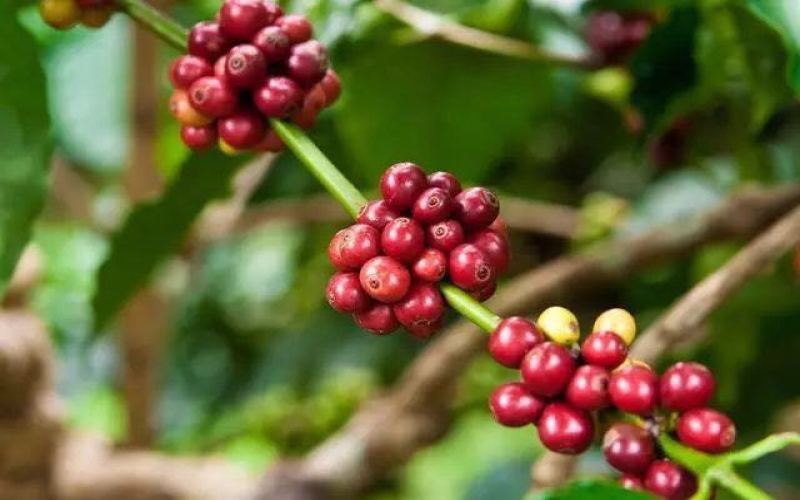
Ecuador is located along the equator in South America. Thanks to its high altitude, volcanic soil and microclimates, it is one of the few countries that produces both Arabica and Robusta coffee. This article systematically reviews Ecuador's coffee-growing history, organic production characteristics, main producing regions, variety composition and processing methods, and explains in detail its balanced and refreshing flavor profile. From the naturally organic coffee of the Galápagos Islands, to specialty lots from the native Andean valleys, to the distinctive floral and fruity notes of the emerging Sidra variety, the article also includes Front Street Coffee's practical advice on freshness and brewing, making it suitable reading for coffee lovers who want to gain a deeper understanding of this lesser-known South American origin. [more…]
Indonesian Coffee Regions Explained: Everything About Sumatra Mandheling, the Ateng Variety, and Wet-Hulling Processing
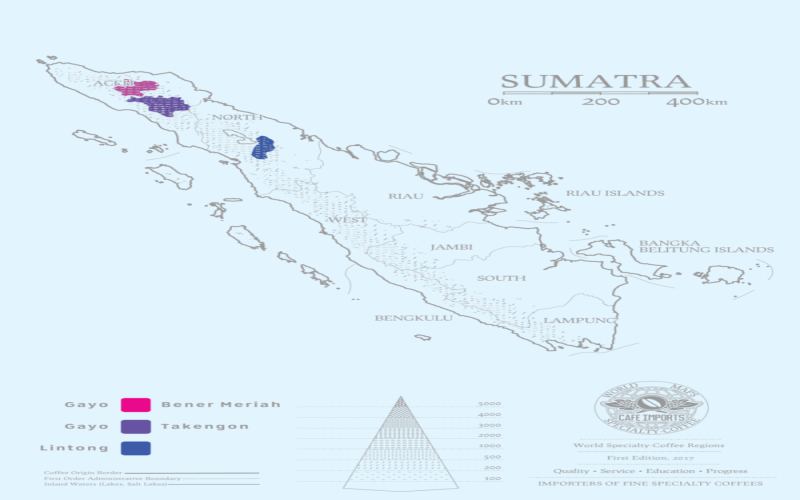
Indonesia is the world's largest archipelagic nation, spanning Asia and Oceania with 17,508 islands, numerous volcanoes, and abundant resources. Thanks to its geographic advantage of being crossed by the equator, it has developed an extremely suitable environment for coffee cultivation, with coffee produced on islands such as Sulawesi, Java, Bali, and Sumatra; among them, Sumatra is especially world-famous for Mandheling. This article will guide you through Sumatra's three main coffee-producing regions, the interesting story behind the name Mandheling, the true identity of the Ateng variety, and Indonesia's signature wet-hulling process, while also introducing two representative Mandheling coffees from Front Street Coffee—Lintong Mandheling and PWM Golden Mandheling. [more…]
Why Is Hawaiian Kona Coffee So Expensive? Understanding Its Unique Terroir and History in One Article
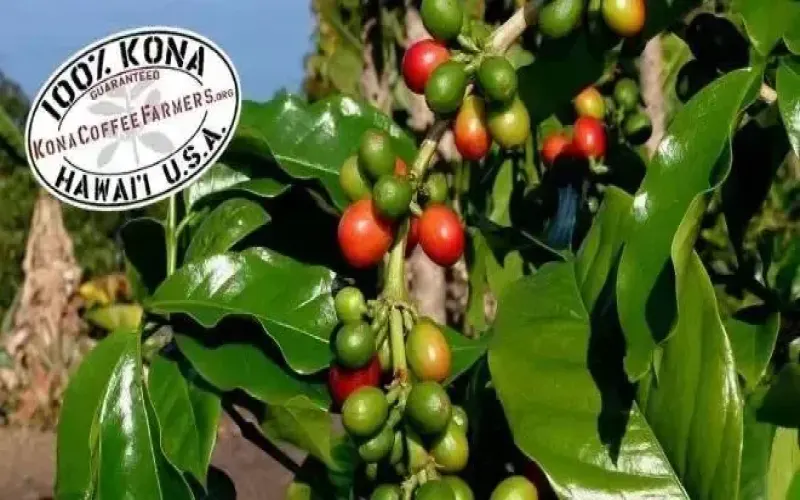
Hawaiian Kona coffee has long been praised as the "Queen of Coffee," sharing equal fame with Jamaican Blue Mountain. Yet its price has always remained high, and behind this lie both exceptional terroir conditions and a winding industrial history. This article starts from the background of coffee cultivation in North America, tracing the entire process of Hawaiian coffee from its introduction in the early 19th century, through pest damage and economic depression, to its eventual fame as the Kona growing region, and analyzes the varietal characteristics, growing region distribution, and reasons for the high price of Kona coffee, helping coffee enthusiasts fully understand the value of this legendary bean. [more…]